
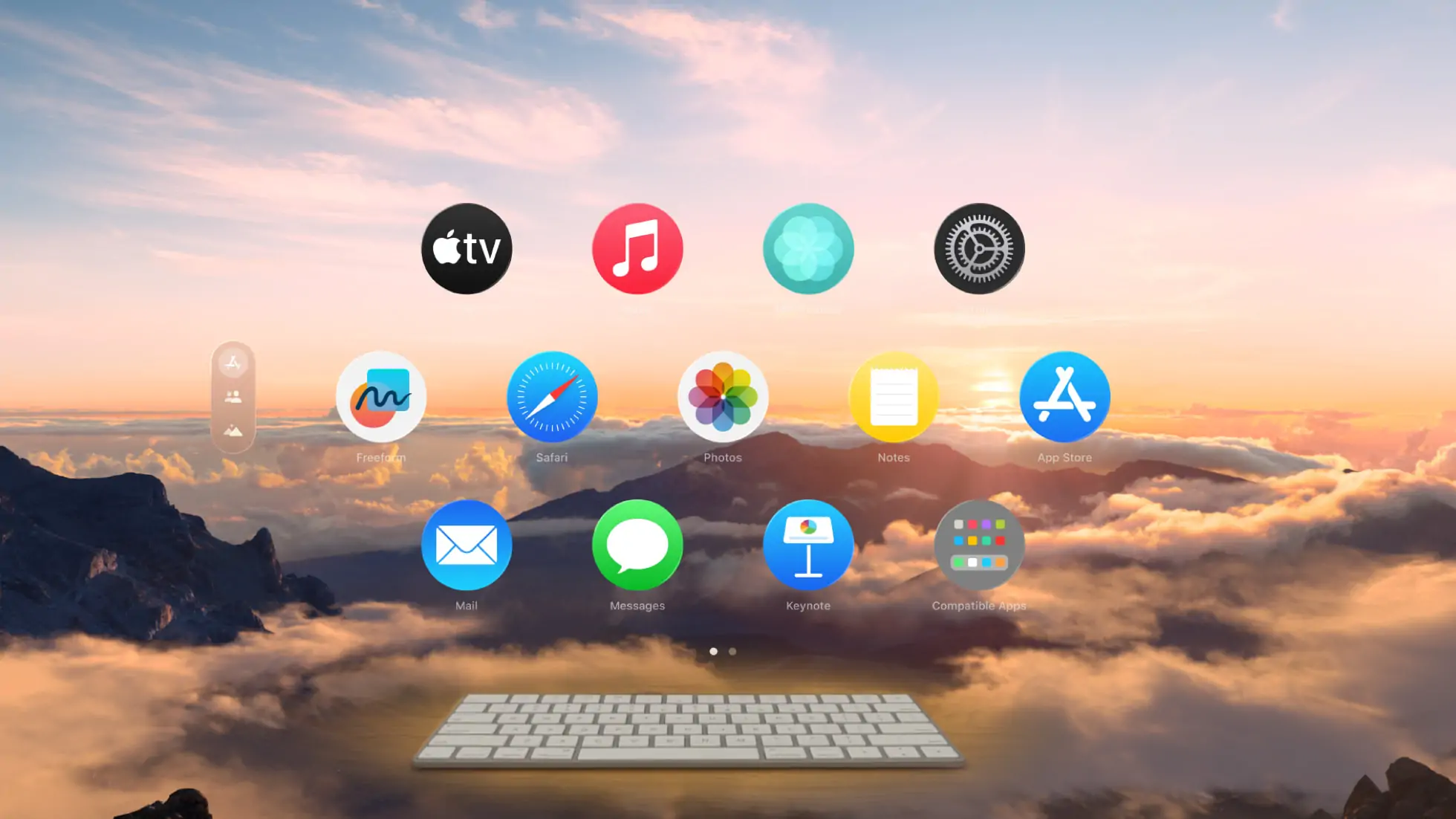
Apple’s launch of visionOS 2 marks a monumental step in maturing the Vision Pro platform, delivering powerful new features, a refined user experience, and deeper integration across Apple’s ecosystem. This isn’t just a typical software update — visionOS 2 is a foundational leap that transforms the Vision Pro into a more versatile, intelligent, and indispensable tool for work, creativity, and entertainment.
In this extended review, we unpack why visionOS 2 matters, how it reshapes the Vision Pro experience, the technological and AI innovations behind it, and what it means for Apple’s future. We’ll also explore its strengths, its growing pains, and how it fits into Apple’s broader strategy alongside macOS Sequoia, iPadOS 18, and the Apple Vision Pro.
What’s New on visionOS 2 and Why It Matters
visionOS 2 introduces a wealth of improvements that push the boundaries of what spatial computing can do. According to Apple the update enhances everything from navigation and multitasking to immersive media capture, making the Vision Pro not just a viewing device but an interactive, creative, and productivity powerhouse.
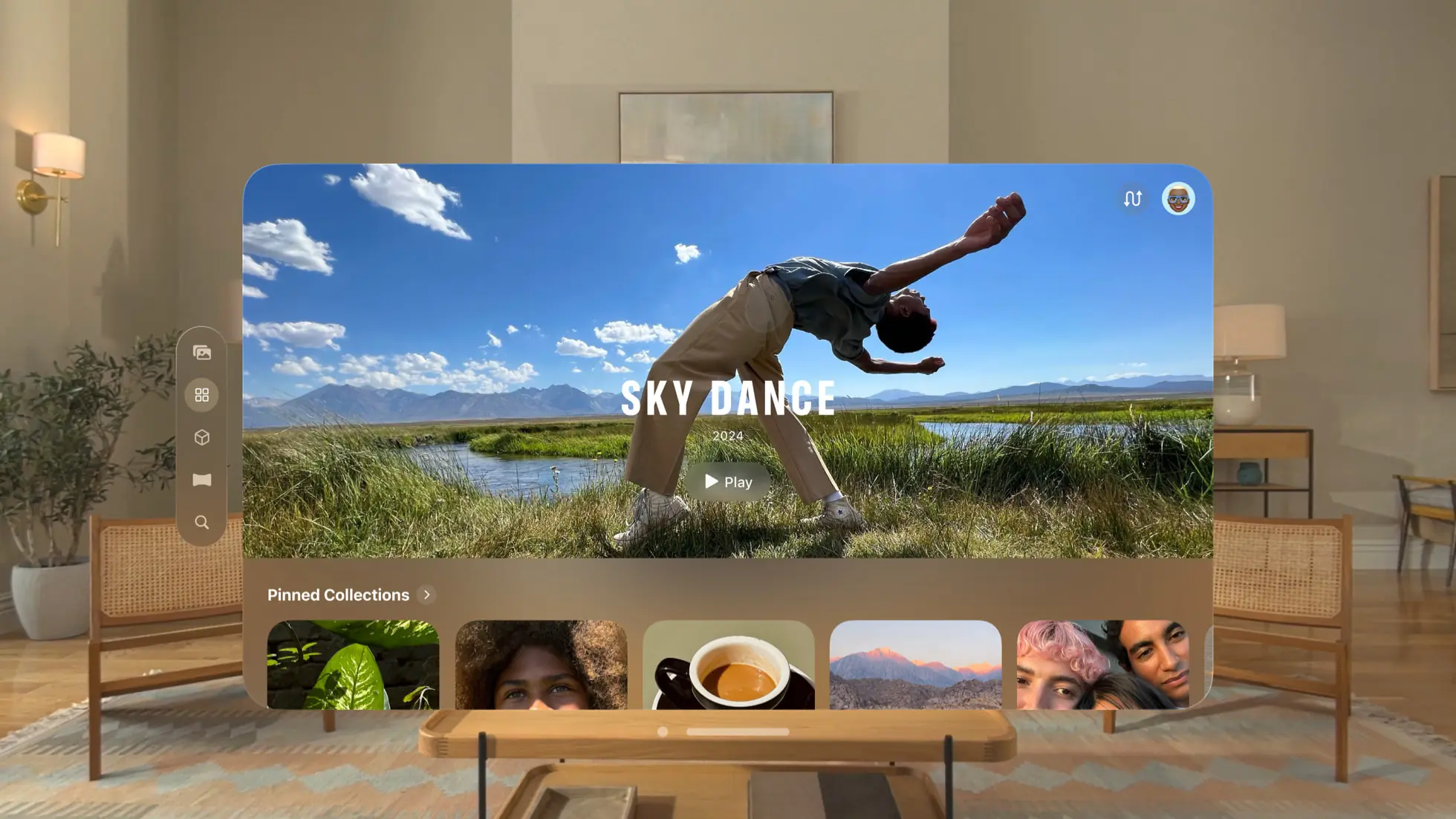
The improved user interface feels faster and more fluid, with smoother transitions and better app organization. Apple’s investment in custom spatial environments allows users to tailor their digital surroundings — blending work tools, media, and widgets into immersive setups that reflect personal workflows and preferences.
The newly expanded Apple Intelligence integration elevates the experience by adding predictive suggestions, adaptive interfaces, and smarter search, giving the Vision Pro a level of awareness that feels genuinely helpful without being intrusive.
Innovation at the Heart of visionOS 2: Technologies That Stand Out
The hardware and software synergy in visionOS 2 showcases Apple’s unmatched design discipline. The system leverages the Vision Pro’s sophisticated sensors — including LiDAR, eye tracking, and multiple cameras — to create an interaction model that relies on natural gestures, eye movement, and voice, reducing reliance on physical controllers.
For example, improvements in hand and eye tracking allow for finer gesture recognition, enabling users to interact with virtual objects and navigate apps with greater precision. These improvements, reported by AppleInsider, mean less friction when switching tasks, resizing windows, or pulling up system menus.
The software enhancements extend into the Vision Pro’s core media functions. Users can now capture spatial photos and videos with greater clarity and edit them with built-in tools, making the device not just a player of immersive content, but a creator’s dream tool. For filmmakers, designers, and AR developers, this opens up new ways to prototype, produce, and present 3D projects.
AI and Apple Intelligence: A Smarter Companion
Apple Intelligence in visionOS 2 acts as the invisible engine powering context-aware recommendations, smarter multitasking, and adaptive layouts. For instance, the system learns your app usage patterns and adjusts workspace arrangements accordingly, making it easier to jump into a task without reconfiguring everything.
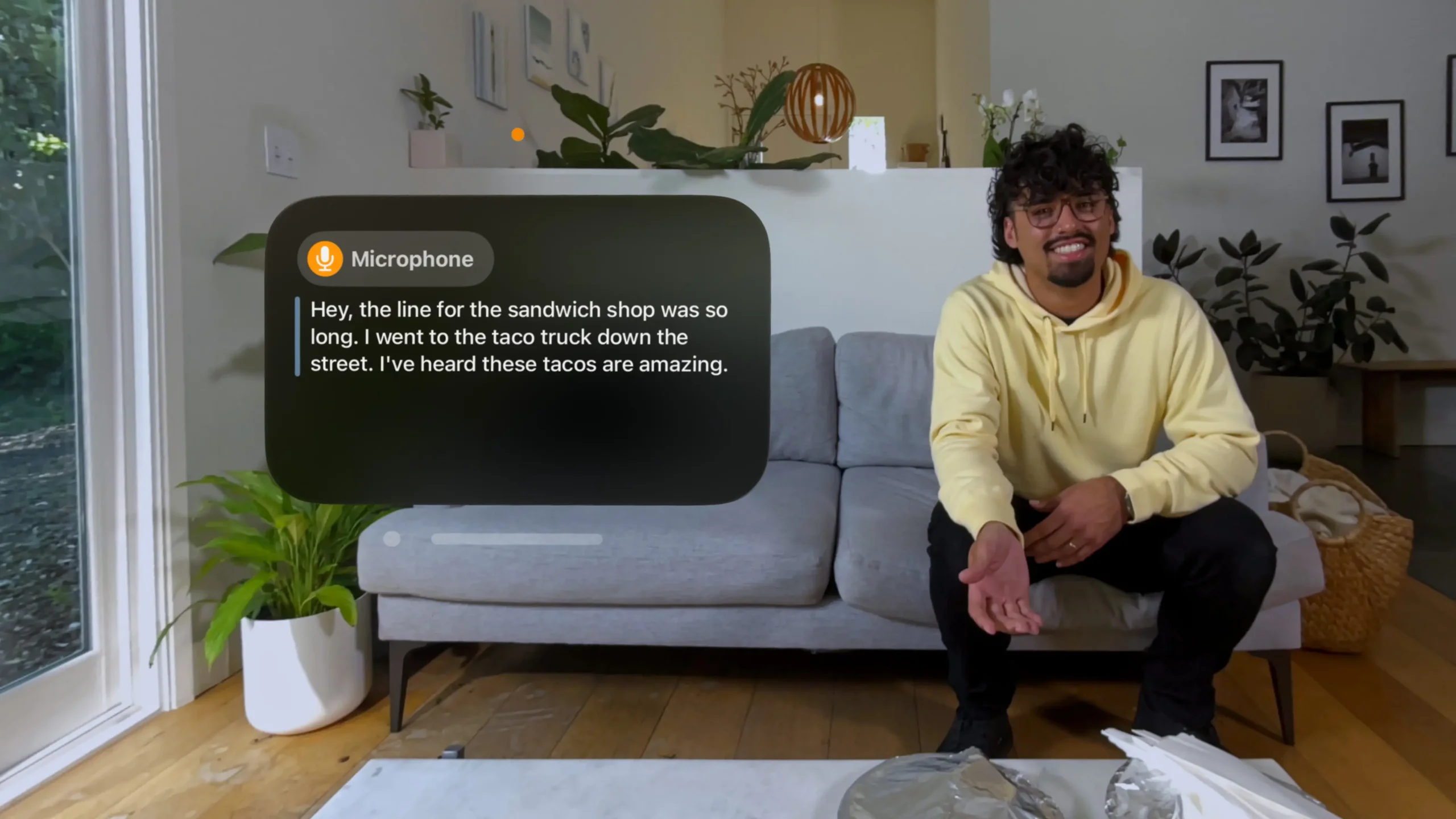
The real-time transcription and translation features are particularly impactful, letting users capture meeting notes, translate multilingual conversations, and search recorded content with ease. The Verge notes how this transforms the Vision Pro from an entertainment device into a serious communication and collaboration tool.
AI-enhanced media search is another standout. By leveraging on-device processing, users can sift through vast libraries of photos, documents, and recordings without compromising privacy, reinforcing Apple’s promise of user-centric AI.
Creative Power and Immersive Entertainment
For creatives, visionOS 2 unlocks a world of new possibilities. Artists and designers can sculpt and paint in 3D space, musicians can mix spatial audio compositions, and video editors can visualize projects on virtual screens larger than any physical setup.
Entertainment is equally transformed. With visionOS 2, Apple TV+ and Apple Arcade offer spatial experiences where users can immerse themselves in environments that extend beyond the screen. Whether you’re watching a blockbuster or stepping into a game world, the combination of sharp visuals and dynamic spatial audio makes the experience breathtaking.
These upgrades make the Vision Pro more than a headset — they position it as a next-generation entertainment and creative studio, wrapped into a sleek wearable form.
visionOS 2 Elevates Productivity and Professional Use
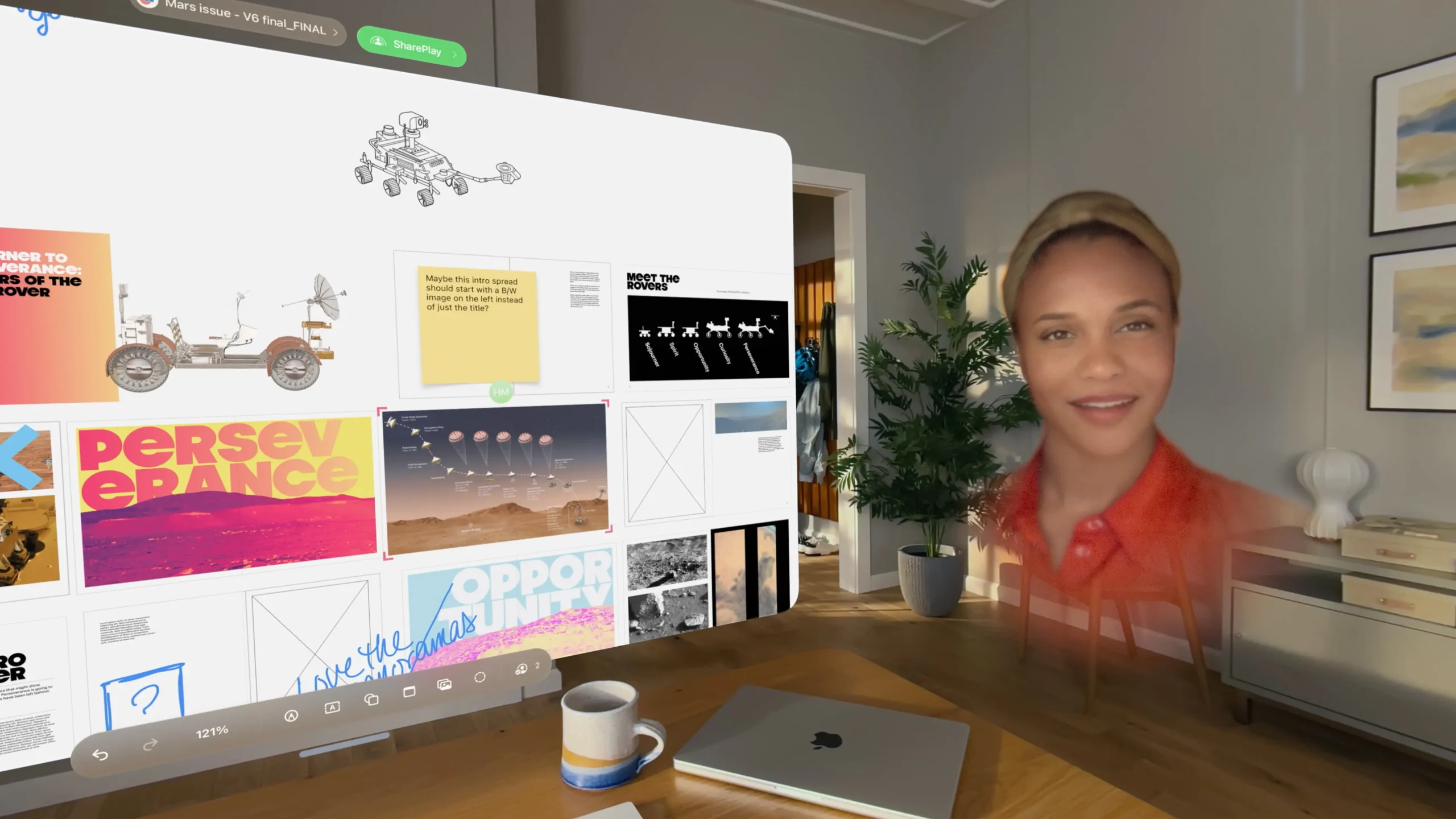
visionOS 2 delivers clear gains for productivity and professional work. Enhanced Mac mirroring allows multiple windows from a Mac to float in the Vision Pro’s virtual workspace, effectively creating an expansive multi-monitor setup. This is a game-changer for professionals in design, engineering, or research who crave flexible work environments.
Collaboration tools see meaningful upgrades as well. FaceTime Personas become more expressive, shared whiteboards gain more functionality, and developers benefit from new integrations with Xcode and ARKit, opening doors to richer AR/VR app development.
As AI Business points out, Apple’s move into AR/VR productivity signals its intention to capture more of the enterprise market, traditionally dominated by other platforms.
Integration Across Apple’s Ecosystem
visionOS 2 is designed to work in concert with Apple’s broader ecosystem, creating seamless connections with macOS Sequoia, iPadOS 18, and other Apple devices. Features like Universal Clipboard, Handoff, and Continuity mean that users can start a project on one device and fluidly continue it on another.
macOS Sequoia has been tuned for better integration with spatial computing, while the iPadOS 18 apps can now project into the Vision Pro’s 3D environment. Together, these software platforms amplify the power of visionOS 2, delivering a unified Apple experience that few competitors can match.
Challenges and Areas for Growth
Despite its impressive advances, visionOS 2 has room to grow. The third-party app ecosystem is still maturing, and while Apple’s native apps shine, many developers are only beginning to explore spatial interfaces. This limits some of the headset’s potential today but also suggests a vibrant future once the developer community catches up.
Hardware constraints also play a role. Some advanced features require the newest Vision Pro hardware, leaving first-gen users with a slightly pared-down experience. Additionally, spatial gestures, while improved, can still be unintuitive for newcomers, requiring a learning curve.
As reported by AppleInsider, Apple is actively working on updates to address these issues and continue refining the platform.
A Maturing Platform with Bright Horizons
visionOS 2 cements Apple’s leadership in the AR/VR space, not just by refining existing features but by introducing innovations that set new standards for spatial computing. It transforms the Vision Pro into a smarter, more capable device and positions Apple to shape the future of personal and professional computing.
Whether you’re a creative professional, an early adopter, or an enterprise user exploring new workflows, visionOS 2 offers a compelling vision of what’s next. And as the ecosystem continues to grow, the full promise of spatial computing is only just beginning to unfold.
