
Apple’s Worldwide Developers Conference (WWDC) is more than just a conference — it’s the annual heartbeat of Apple’s vision, innovation, and developer relations. The tech world is once again turning its eyes toward Apple as the company prepares to host its annual event. Scheduled to kick off on June 9, 2025, the WWDC promises to be one of the most consequential events in Apple’s history. Not only will it reveal new software updates and tools, but it will also signal Apple’s broader strategy for the years ahead. This in-depth preview explores everything you need to know about WWDC 2025, tracing its historical significance, unpacking its upcoming announcements, and analyzing what they mean for developers, consumers, and the tech industry.
The Historical Significance of WWDC
WWDC, short for Worldwide Developers Conference, is Apple’s premier annual event for developers, engineers, designers, media, and enthusiasts. Since its inception in 1983, WWDC has been the launchpad for major software updates, platform announcements, and, occasionally, hardware surprises. While it began as a closed-door technical gathering, WWDC has evolved into a global showcase, streaming to millions of viewers worldwide.
Originally an intimate gathering for Macintosh developers, it has grown into a global spectacle watched by millions of enthusiasts, media outlets, developers, and investors. Over the decades, WWDC has marked pivotal moments in Apple’s journey: the launch of Mac OS X in 2000, the iPhone SDK and App Store in 2008, the introduction of the Swift programming language in 2014, and the unveiling of Apple Silicon in 2020. Each event has shaped not only Apple’s platforms but the entire technology landscape.
In recent years, WWDC has taken on even greater importance as Apple’s ecosystem has expanded. With platforms like visionOS, watchOS, tvOS, and the ever-growing App Store economy, WWDC is now where Apple connects the dots between its hardware, software, and services. It’s where the company lays out its philosophical approach to privacy, security, user experience, and developer empowerment.
Each WWDC leaves an indelible mark, and this year promises to be no different.
Why WWDC Matters Globally
WWDC is not just for developers — it’s an event that ripples across industries. For consumers, it provides a first look at the features coming to their devices, from iPhone and iPad to Mac, Apple Watch, Apple TV, and Vision Pro. For businesses, it signals Apple’s ambitions in enterprise, collaboration, healthcare, education, and more. For developers, it offers early access to powerful new APIs, frameworks, and tools, enabling them to stay ahead of the curve and deliver innovative apps and services.
What makes WWDC unique is its dual purpose: first, it offers a stage for Apple to highlight its latest innovations, and second, it provides developers with hands-on access to the tools and resources they need to build the next generation of apps and experiences. Apple’s developer community has become an integral part of its success, generating apps and services that power the App Store economy, enrich the Apple ecosystem, and shape the daily lives of more than a billion users.
WWDC also serves as a platform where Apple reinforces its commitment to privacy, sustainability, accessibility, and ethical technology. Through technical sessions, developer labs, and one-on-one interactions, Apple builds a global conversation that shapes how technology evolves.
What to Expect from WWDC 2025
The official Apple announcement teases an action-packed week of keynotes, developer sessions, labs, and community events. But what specifically can we expect this year?
iOS 19: The Future of Mobile Computing
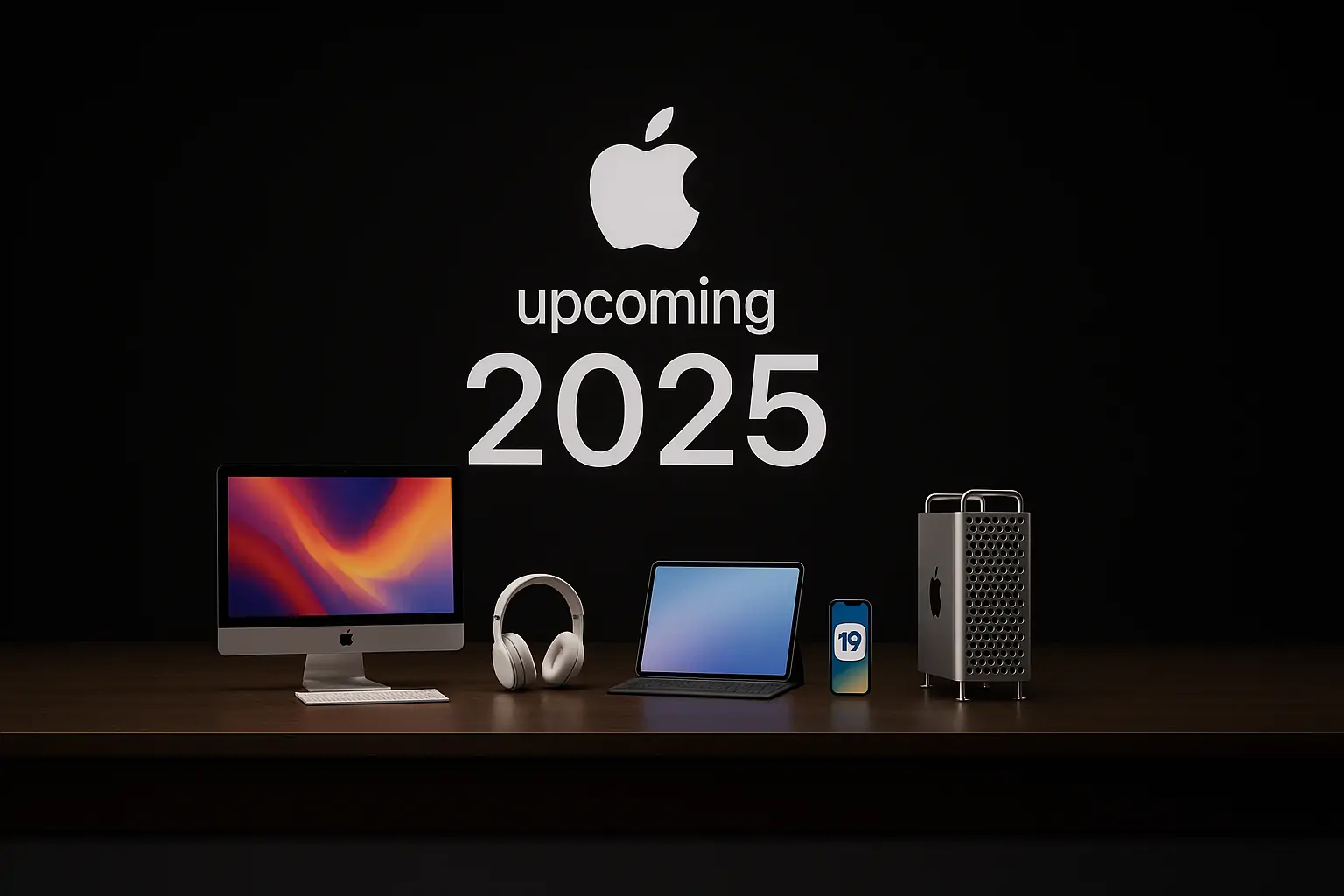
Among the most anticipated announcements at WWDC 2025 is iOS 19. Apple is reportedly preparing a major design refresh that draws heavily from the aesthetics of visionOS, featuring layered translucency, subtle depth cues, and fluid motion that make the iPhone experience feel more immersive and sophisticated.
According to reports from MacRumors and Engadget, iOS 19 will bring a sweeping visual refresh inspired by visionOS, featuring translucent layers, spatial depth, and more fluid animations. Apple is expected to introduce a redesigned Control Center, smarter interactive widgets, and expanded Lock Screen functionality.
But design is only part of the story. iOS 19 will bring deeper integration of Apple Intelligence, enabling smarter notifications, adaptive UI elements, and personalized app suggestions that adjust based on context, location, and user habits. Imagine an iPhone that preemptively surfaces the right tools before you ask, organizes your content intuitively, and helps manage tasks across your day.
Developers will gain access to expanded machine learning APIs, enhanced Core ML capabilities, and improved Swift support, allowing them to build apps that harness on-device intelligence while preserving Apple’s gold-standard privacy protections. For consumers, iOS 19 will be a leap forward in usability, productivity, and delight.
macOS Sequoia: Redefining the Desktop
On the Mac side, macOS Sequoia will continue refining the desktop experience, blending enhanced productivity tools, deeper integration with iPhone and iPad, and more seamless Universal Control capabilities. Expect updates to Safari, Mail, and Messages, as well as new developer frameworks designed to bridge macOS and visionOS applications.
The next iteration of Apple’s desktop operating system is expected to introduce enhancements that position the Mac as the ultimate productivity platform. Amongst the anticipated features we have improved multi-monitor support, tighter integration with Vision Pro for virtual workspaces, and advanced collaboration tools that allow seamless editing and content sharing across devices.
Safari is rumored to receive AI-powered enhancements, including smarter tab management and reading suggestions. Mail and Notes may also see upgrades that leverage Apple Intelligence for better organization and summarization.
For developers, macOS Sequoia offers new SwiftUI improvements, expanded Catalyst capabilities for cross-platform apps, and a stronger focus on spatial computing integration, ensuring that Mac remains at the forefront of creative, professional, and enterprise workflows.
iPadOS 19: Unlocking the iPad’s Full Potential
iPadOS 19 is poised to further elevate the iPad as a productivity powerhouse. Building on the progress of Stage Manager, Apple is expected to deliver even more flexible window management, improved drag-and-drop functionality, and enhanced Apple Pencil support with predictive inking and AI-assisted drawing tools. It’s also rumored to introduce new multitasking workflows, including improved Stage Manager support and even tighter Apple Pencil integration. The iPad remains a key part of Apple’s push to position itself as a serious productivity platform, and WWDC 2025 is expected to deliver features that further differentiate iPadOS from its iPhone counterpart.
Pro-level apps, such as Logic Pro and Final Cut Pro, are rumored to gain new features tailored specifically for the iPad’s hardware, transforming it into a true laptop alternative for creative professionals.
Developers targeting iPadOS will benefit from new tools that exploit the larger display, advanced sensors, and multi-modal input, pushing the boundaries of what tablet apps can achieve.
visionOS 3: The Next Evolution of Spatial Computing
visionOS 3 will likely be one of the biggest stars of WWDC 2025. Apple’s Vision Pro headset, which introduced consumers to spatial computing, is still in its infancy, but visionOS 3 promises to bring major improvements. With developer documentation and industry reports pointing to a major visionOS 3 update, we can anticipate improvements in multitasking, environmental awareness, and immersive content creation.
Developers can expect new frameworks for creating 3D applications, immersive media experiences, and spatially anchored productivity tools. Apple is also expected to highlight use cases in industries like healthcare (virtual surgical planning), architecture (interactive design visualization), and entertainment (next-generation immersive media).
For businesses, visionOS 3 may introduce enterprise-ready features, such as secure multi-user environments, enterprise app management, and integration with Apple Business Manager — all of which will be explored further in our upcoming Apple Vision Pro for Business article.
Apple Intelligence: Pushing the AI Frontier
Apple Intelligence, which debuted last year, is set to become even more prominent. With AI now a central pillar of Apple’s software strategy, WWDC 2025 is expected to showcase how Apple Intelligence enhances search, content creation, photo editing, and systemwide interactions. The company is likely to announce updates to Siri, making it more capable and contextually aware, addressing long-standing criticisms and bringing it in line with today’s advanced voice assistants. While many competitors focus on cloud-based AI, Apple continues to champion on-device machine learning, ensuring data privacy while delivering powerful capabilities.
Expect to see major updates to Siri, including multi-step reasoning, conversational context retention, and real-time information retrieval. Apple Intelligence will also expand into creative tools, offering advanced photo and video editing, document summarization, automatic translation, and accessibility features for users with diverse needs.
For developers, Apple will provide enriched Core ML models, natural language processing tools, and vision APIs that allow apps to interpret and respond to visual data intelligently.
Ecosystem Integration: The Apple Advantage
WWDC 2025 will underscore Apple’s unique ability to unify its platforms. We anticipate improvements to Handoff, AirDrop, Universal Clipboard, and Continuity Camera, making transitions between iPhone, iPad, Mac, Apple Watch, and Vision Pro even more seamless.
New AirDrop capabilities may allow for large-file transfers that continue over the cloud, while updates to Sidecar and Universal Control will enhance cross-device workspaces. For businesses, improvements in Apple Business Essentials, MDM integration, and secure collaborative tools will strengthen Apple’s appeal in enterprise environments.
Hardware Surprises?
While WWDC is a software-first event, Apple has occasionally used the stage for hardware reveals. There’s speculation about possible updates to the Mac lineup, particularly M5-powered MacBook Pros or new M5 Mac Studio models. Additionally, accessory announcements, such as new Apple Pencil models or Vision Pro accessories, could make appearances.
However, it’s worth noting that Apple tends to reserve major hardware launches for separate events later in the year, making any hardware unveilings at WWDC a pleasant bonus rather than a guaranteed headline.
Developer Community: The Heart of WWDC
At its core, WWDC is about developers. The conference offers hundreds of sessions, labs, and networking opportunities where developers can engage directly with Apple engineers, ask questions, test their apps on new software, and gain early insights into the year ahead.
This year, as in recent editions, WWDC will be a hybrid event, combining a live keynote and developer sessions with a robust online presence via the Apple Developer app and website. This hybrid model ensures that developers around the world can access resources, whether or not they attend in person.
Apple has emphasized its support for developers working across a range of industries, from healthcare and education to gaming and entertainment. Expect special focus on how new tools can empower small teams, indie creators, and large enterprises alike.
The conference will also likely address the App Store economy, offering updates on developer tools, revenue opportunities, and regulatory changes that impact app distribution.
Final Thoughts: Why WWDC 2025 Is a Pivotal Moment
As Apple prepares to take the stage at WWDC 2025, it’s clear that we are entering a transformative era. From the sweeping design updates of iOS 19 to the deep AI integration across macOS, iPadOS, and visionOS, Apple is setting a new standard for personal and professional technology.
This year’s conference isn’t just about software updates — it’s about Apple’s broader vision for the future: a world where devices work seamlessly together, where intelligence enhances every interaction, and where developers are empowered to create groundbreaking new experiences.
As June 9 approaches, excitement is building across the Apple community. The company’s official announcements and developer resources offer only a glimpse of what’s to come, but if history is any guide, WWDC 2025 will deliver surprises, innovations, and plenty of headline-worthy moments.
Stay tuned, because WWDC 2025 is shaping up to be an event to remember.
