
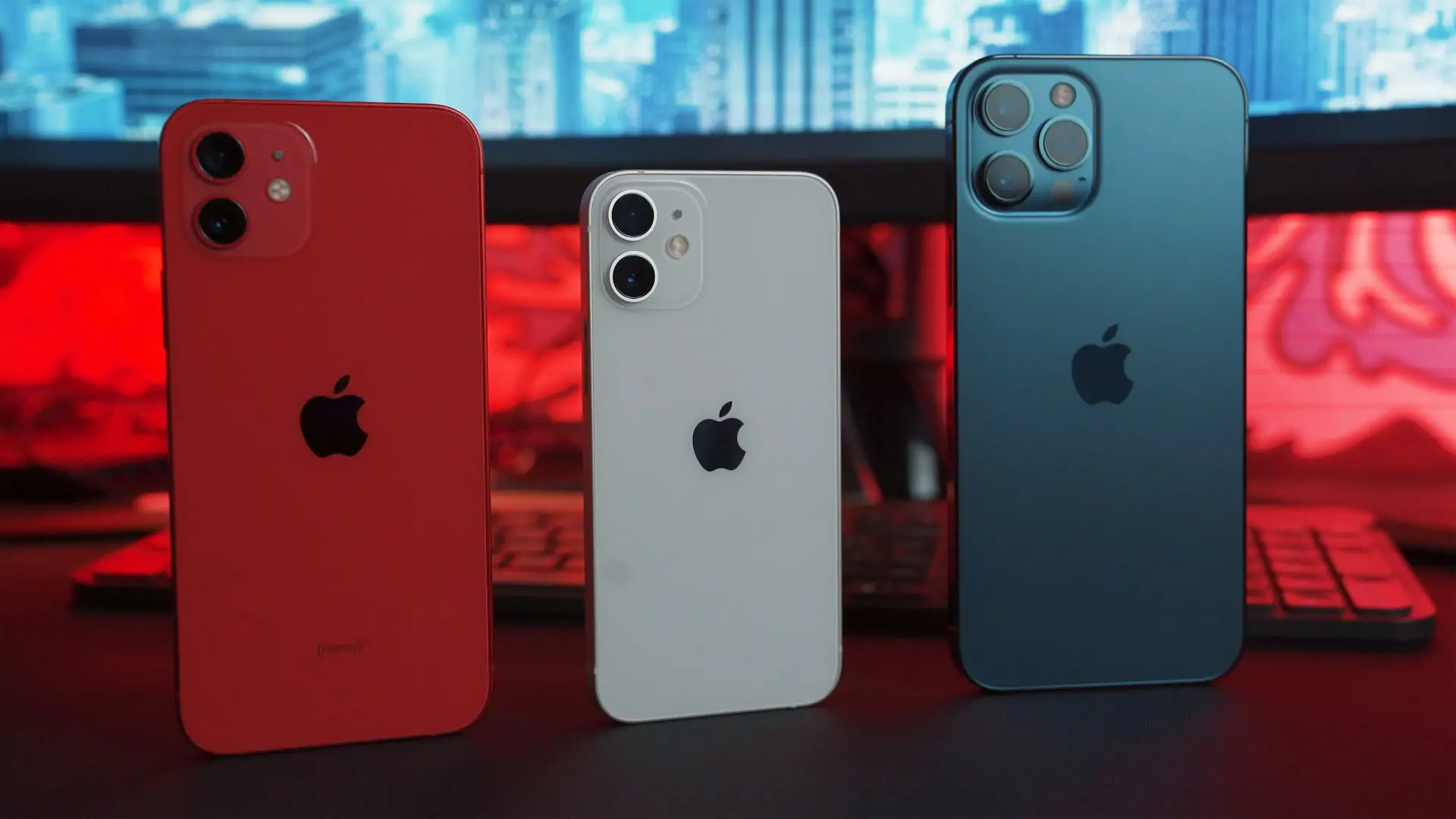
The iPhone 12 has been a good phone for users for years. It seemed its time in the news was over. A strange new rule in the European Union, however, now requires the iPhone 12 radiation patch. This sudden change is therefore causing confusion for many owners.
The whole thing started with one special test in France. An agency there, the ANFR, said the iPhone 12 had failed its test. Apple challenged this finding right away, but the French agency stood by its decision.
At first, the problem stayed only in France. Apple agreed to a software update for French users to fix the problem. The story, however, did not stop there. The European Union then decided to follow France’s lead. As a result, this patch is now needed for every iPhone 12 across the EU.
The French Anomaly That Sparked a Continent-Wide Issue
The entire controversy began not with a user complaint or a safety incident, but with the specific actions of a single national regulator in France, which many now question.
How a Unique French Test Flagged the iPhone 12
Regulators test every smartphone for its Specific Absorption Rate, or SAR. This simply measures how much radio frequency energy the body absorbs from a device. In September 2023, France’s frequency agency, the ANFR, conducted its own tests. It announced that the iPhone 12 was failing to meet the country’s specific SAR limits.
This result, however, was not straightforward. The ANFR used a particular testing method that did not account for a long-standing feature in iPhones. For years, the phones have used sensors to know when they are off-body, for instance, when sitting on a table. When this happens, they allow for slightly higher performance to maintain a strong signal. The French test, however, measured the phone in this state but applied the stricter limits for when a person holds the phone against their body. This unique protocol is what produced the failing result.
Apple’s Rebuttal: A Flaw in the Methodology
Apple immediately challenged the French agency’s findings. The company pointed out that multiple international bodies had already certified the iPhone 12, so it was fully compliant with all global standards for radiation. Apple provided a large amount of evidence from both its own and third-party labs to prove the phone’s safety. The core of their argument was simple: the problem wasn’t the phone, but the test.
Apple explained that the ANFR’s testing protocol did not account for the phone’s off-body detection mechanism. This is a standard and safe feature that has been in iPhones for more than a decade. The company made it clear that because the French test had a flaw, its results were not accurate. Despite this strong rebuttal and clear evidence, the French agency stood by its original conclusion, forcing the next move in the dispute.
Europe Mandates the iPhone 12 Radiation Patch
What began as a local problem in France soon got the attention of other countries. Before long, officials in Belgium, Germany, and the Netherlands also began to push Apple. They asked the company to make the same software patch ready for them. This growing pressure led to a much bigger decision that would affect the whole European Union. The issue was no longer just about France; it was a problem for the entire continent.
The European Commission is the main leadership group of the EU. It formally stepped into the matter. Its job is to see that rules are the same for all member countries. After some time, the Commission officially agreed with the French agency, ANFR. It accepted what France found and supported the need for a software update. This was a major turning point in the story.
As a result, the update is no longer just an idea or a fix for one area. The European Commission has made the iPhone 12 radiation patch a required rule for every country in the EU. This move surprised many in the tech world. It forces a fix for a problem that most global groups did not think was real. It also sets a strong new example for how the EU might handle similar cases down the road.

Understanding Apple’s “Off-Body Detection” Technology
The key to this whole issue is a smart feature that Apple has built into iPhones for more than a decade. It is not new or experimental technology. The system’s main job is to carefully manage the phone’s power. This is done for two key reasons: to ensure the phone always meets safety standards and to provide a strong, steady cell signal. It is a normal part of the iPhone’s design.
The technology uses sensors to know when the phone is not being held. For example, it can tell when you have placed it on a static surface like a table. In this “off-body” state, the iPhone allows itself to use slightly more power. This small boost helps the phone stay connected to a cell tower, which is especially useful in areas with a weak signal. This is a safe and standard function.
However, the system is also smart enough to know when you pick the phone up. When it senses it is in a hand, in a pocket, or against your head, it lowers the power. This ensures the phone always stays well within the stricter safety limits for when the device is touching a person. This smart power management is what the French test did not take into account, which led to the flawed result.
A Precedent for Europe: The Real Impact of The iPhone 12 Radiation Patch
For iPhone 12 owners, this software patch is a minor change that will likely go unnoticed. The device’s performance and safety were never really in question. The true impact of this situation, therefore, is not on the phone itself. Instead, it is on the future of tech rules in Europe. The decision has created a lot of uncertainty for tech companies that do business across the continent.
The European Union’s choice to follow France’s lead sets a powerful new example. It shows that a single country’s unique testing method can become the rule for all 27 member nations. This could create a much more complex and unpredictable market. Companies may now worry that they have to design products to pass dozens of different local tests, instead of just one clear, global standard.
This creates a difficult path forward for tech makers. The new rule was applied to a phone that was already years old. This makes companies wonder if other products could also face new rules long after their release. While this specific issue is about the iPhone 12 radiation patch, the way officials handled it could shape European tech policy for years to come.
