In January 2024, Apple announced sweeping changes to iOS, Safari, and the App Store in the European Union to comply with the Digital Markets Act (DMA) — a landmark regulation aiming to promote competition and reduce gatekeeping by major tech platforms. This update represents one of the most significant shifts in Apple’s European operations in years and has sparked major reactions among developers, regulators, and industry watchers.
In this article, we break down what Apple announced, how these changes will reshape the experience for users and developers, and why Apple continues to warn about the risks tied to opening its ecosystem.
What Are the New Changes?
According to Apple and Apple Developer News, the changes include allowing third-party app marketplaces on iOS, supporting alternative payment processors, giving browser developers more system access, and providing new options for distributing iOS apps directly from developer websites. These updates apply only within the EU and are specifically designed to meet DMA requirements, marking a historic shift in Apple’s longstanding closed ecosystem model.
Why Is This a Big Deal?
Historically, Apple has maintained tight control over its platform, citing security, privacy, and quality concerns. For developers, the only official way to distribute iOS apps has been through the App Store, where Apple enforces strict rules and collects commissions. The DMA disrupts this model by requiring more open choices for consumers and businesses, aiming to reduce dependence on a single platform owner.
According to Branch.io, this marks a turning point for the app economy in Europe, potentially lowering costs for developers, encouraging innovation, and providing consumers with more flexibility. However, it also raises new challenges for Apple in maintaining its high standards for security and user trust.
Apple’s Cautions and Concerns
While Apple is complying with the DMA, the company has been vocal about the risks these changes may bring. Apple warns that allowing alternative app marketplaces and payment systems could increase exposure to malicious software, scams, and fraud, as these environments lack the same vetting and protections as the App Store. It also raises concerns about privacy, as sideloaded apps or third-party marketplaces may not adhere to Apple’s strict privacy safeguards, potentially exposing users to greater tracking and data collection.
Beyond technical concerns, Apple fears the user experience could become fragmented, with multiple app stores and distribution channels making it harder to ensure consistent updates, support, and compatibility. The company also worries that as more third-party options emerge, consumers might turn to Apple for help with problems arising from apps or services over which it has no control. In short, Apple argues that these forced changes could undermine the very trust, quality, and security that users have come to expect from its platform — a tension that places Apple at the heart of a larger debate over the balance between openness and control.
Impact on Developers and the App Store
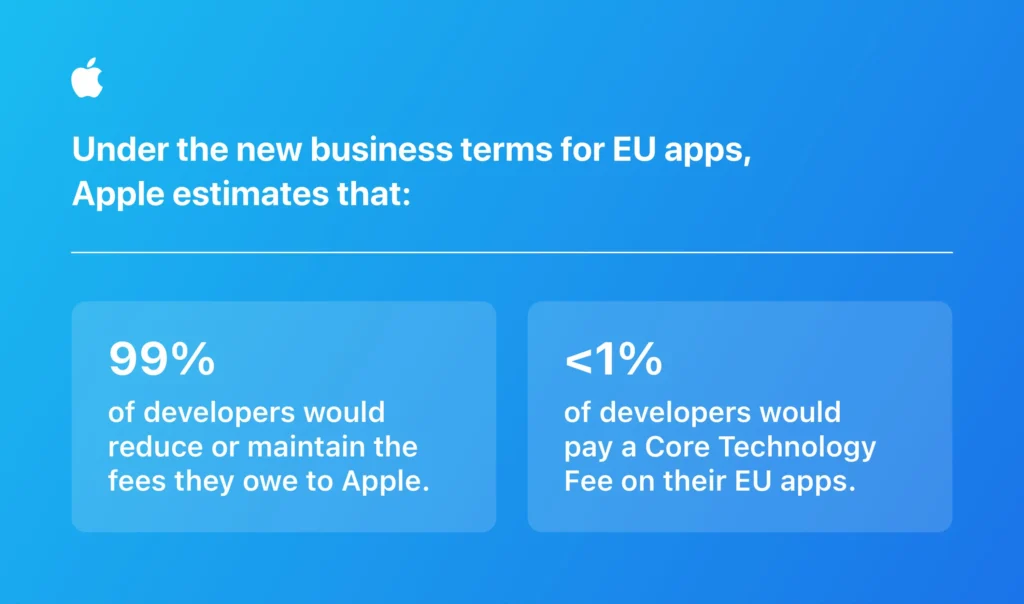
For developers, these changes bring both opportunity and complexity. On one hand, they open the door to bypassing Apple’s commission structure by using alternative payment processors and distributing apps outside the App Store, which could significantly improve margins and reduce costs. Browser makers, in particular, gain the freedom to innovate beyond Apple’s WebKit limitations, which might lead to faster, more feature-rich browsing experiences on iOS.
On the other hand, developers must navigate a new landscape filled with regulatory requirements, technical challenges, and legal considerations. Managing payments through alternative systems means taking on responsibility for security, customer support, and compliance with regional regulations — tasks that Apple previously handled within its tightly controlled ecosystem. While the promise of freedom is enticing, the reality is that developers will need to weigh the benefits against the new risks and responsibilities that come with this expanded access.
A Shift in Apple’s Global Strategy?
It’s important to note that these changes apply only within the EU. Apple has signaled no plans to adopt similar models globally, citing differences in regulatory frameworks and consumer expectations. This raises the question: will Europe’s regulatory push become a blueprint for other regions, or will Apple’s walled garden continue to hold firm elsewhere?
Final Thoughts: A Historic Turning Point
Apple’s response to the Digital Markets Act marks one of the most significant shifts in its European operations. While developers and consumers in the EU stand to benefit from greater choice, Apple remains cautious, emphasizing the trade-offs between openness and security.
As these changes roll out, the tech world will be watching closely — not just to see how Apple adapts, but to gauge how regulators, competitors, and consumers respond to this new era of digital openness.
