
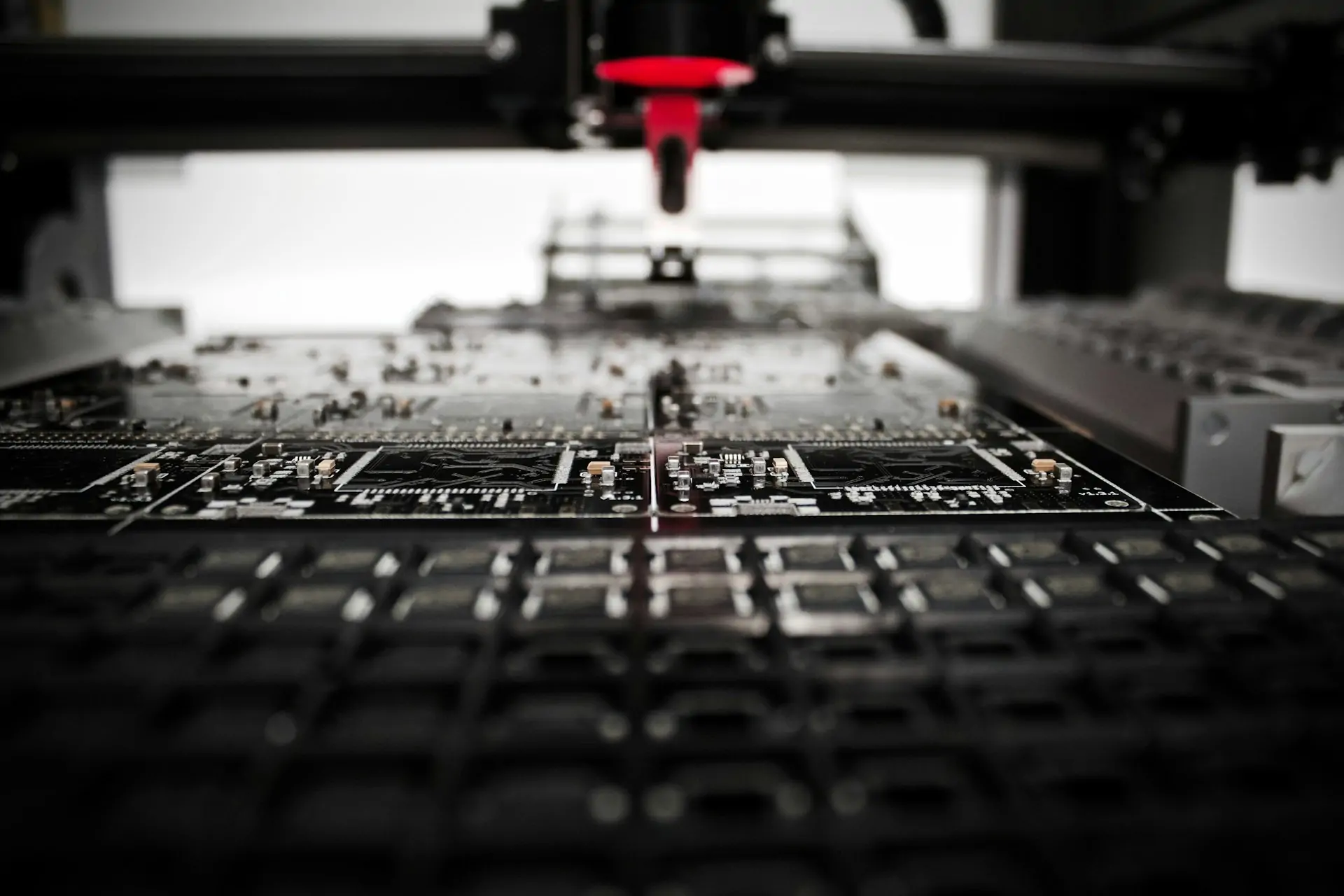
Apple is making a big strategic move that goes far beyond its next product launch. The company has recently secured nearly half of TSMC’s first 2nm chip supply according to the news site Benzinga. This is a major decision with large effects on the whole tech industry. This new Apple-TSMC pact is more than a simple supply deal. It is a very smart move designed to give the iPhone 18 a clear performance edge.
The deal also serves another key purpose. It appears to be a calculated hedge against future political and economic problems. This is especially true regarding proposed tariffs on imported computer chips. By locking in this chip supply and also using its U.S. investments, Apple is building a protective wall around its main product. This move may, in fact, shield the company from issues that may harm its rivals, putting Apple steps ahead of the competition.
How the 2nm Chip Deal Leaves Rivals Scrambling
Apple’s deal with TSMC for its new 2nm chips gives a huge head start. By reportedly getting nearly half of the first batch, Apple has locked in a massive supply of these next-gen chips. This ensures, for example, that the coming iPhone 18 will launch with a big performance edge over its rivals. The move is a major show of strength in the tough computer chip market.
This early lock-in of supply could put many of Apple’s rivals in a tough spot. Companies like Qualcomm and MediaTek, for instance, may have to scramble for the last advanced chips. Even AI chip giants like Nvidia and AMD could face slowdowns in making their newest designs.
The effects are also felt by other big players in the mobile space. Google and Samsung have their own goals for mobile chips. They might, however, have to settle for smaller parts of TSMC’s best tech. Apple’s move, in the end, helps secure its own launch plan. It also creates potential supply problems for the rest of the industry.

Why the Apple-TSMC pact Is a Smart Bet Against Tariffs
Beyond securing supply, the Apple-TSMC pact also acts as a clever shield against political issues. It seems designed, for instance, to protect Apple from proposed 100% tariffs on imported computer chips. The company appears to have carved out this important protection for itself on two different fronts.
Apple’s huge investments in the United States play a key role in this strategy. The company has pledged $100 billion in new U.S. spending. This massive investment could give Apple immunity from certain tariffs, as the government has special exemptions, for example, for companies that invest heavily in the U.S..
The second layer of protection comes from TSMC’s own expansion into Arizona. TSMC is building multi-billion dollar chip factories in the state. Chips made in these U.S. fabs, furthermore, may also qualify for tariff exemptions. This insulates Apple from cost shocks that could hurt rivals who depend more on chips made only in Asia.
A Strategic Hedge Against Politics and Supply Issues
The deal between Apple and TSMC looks less like a simple purchase and more like a game of chess. The move is a clever, two-pronged strategy that positions Apple several moves ahead of its rivals and Washington. On one hand, it secures a vital supply of the world’s most advanced chips for the next iPhone.
On the other hand, it builds a strong defense against potential economic headwinds. By using U.S. investments and TSMC’s new Arizona factories, for instance, Apple has created a buffer against tariffs that could punish its competitors. The move, therefore, shows a deep level of foresight from the company.
This Apple-TSMC pact is, in the end, is a masterclass in strategic planning. It highlights how the company uses its massive scale and resources to create powerful advantages in both technology and politics.
